




























What Insurance Coverage Is Available for Fire Damage?
When a fire breaks out, it can cause devastating destruction to homes and businesses alike. Along with the emotional toll, there’s also the financial burden of rebuilding and restoring property. Understanding what insurance coverage is available for fire damage can help property owners prepare for the unexpected. In most cases, homeowners and business insurance policies provide comprehensive protection, but knowing the details of that coverage is crucial — especially when you may also need Emergency fire damage restoration or deal with related issues such as basement flood cleanup.
In this article, we’ll explore what types of insurance policies cover fire damage, what they include, how claims work, and why professional restoration services like Ideal Response are essential for a smooth recovery process.
What Does a Standard Insurance Policy Cover for Fire Damage?
Most standard homeowners’ and commercial property insurance policies include coverage for fire damage. This means that if your property is damaged or destroyed due to a fire, your insurer will likely pay for the cost of repairing or rebuilding your property, as well as replacing damaged contents. Fire insurance coverage typically includes:- Structural Damage: Covers repairs or rebuilding of walls, floors, ceilings, and other structural components affected by fire.
- Personal Property: Reimburses the cost of replacing furniture, electronics, clothing, and other personal items destroyed by the fire.
- Temporary Living Expenses: If the property becomes uninhabitable, insurance may cover hotel stays, rental homes, and meals while restoration is ongoing.
- Smoke and Soot Cleanup: Many policies also cover cleaning costs for smoke or soot residue left behind after the fire.
- Water Damage from Firefighting Efforts: Firefighting often involves a lot of water, which can cause secondary issues like basement flood damage. Most fire-related insurance policies also extend to such water damage cleanup.
Does Homeowners Insurance Cover Fire Damage in All Situations?
While most homeowners insurance policies cover fire damage, there are some limitations. Coverage generally depends on how the fire started and where it occurred. For example:- Accidental Fires: Usually covered, including fires caused by electrical faults, kitchen accidents, or heating equipment.
- Wildfires: Covered under most policies, but it’s important to review your policy as some areas prone to wildfires may have specific exclusions.
- Negligence: If the fire results from deliberate neglect, such as leaving a fire unattended or failing to maintain electrical systems, insurers may deny claims.
- Intentional Fires: Fires started deliberately by the property owner are never covered.
What About Coverage for Commercial Properties?
Business owners also need to protect their investments against fire damage. Commercial property insurance works similarly to homeowners insurance but includes provisions tailored for business operations. Commercial fire insurance typically covers:- Building Structure and Fixtures
- Office Equipment and Inventory
- Loss of Business Income (Business Interruption Insurance)
- Cleanup and Restoration Costs
Are Additional Coverage Options Available for Fire-Related Damage?
Yes, many insurers offer add-on coverage options that provide more comprehensive protection. These can be particularly useful if you live in an area prone to fires or have valuable property inside your home or office. Some useful add-ons include:- Extended Replacement Cost Coverage: Covers the cost of rebuilding your home, even if construction prices rise.
- Personal Property Replacement Cost Coverage: Ensures reimbursement for new items rather than depreciated values.
- Debris Removal Coverage: Pays for cleanup of fire debris and damaged materials.
- Water Damage Add-On: If the fire leads to water accumulation, such as a basement flood, this coverage helps handle associated cleanup and restoration costs.
How Does the Fire Damage Insurance Claim Process Work?
Filing an insurance claim for fire damage requires prompt action and accurate documentation. Here’s how the process generally works:- Contact Your Insurance Company Immediately: Report the fire as soon as possible to start the claims process.
- Document the Damage: Take clear photos and videos of all affected areas, including personal belongings, structural damage, and evidence of a basement flood if applicable.
- Secure the Property: Prevent further damage by covering exposed areas or removing debris when safe.
- Get a Professional Assessment: Restoration experts, such as Ideal Response, can inspect and document the extent of damage. Their detailed reports help support your insurance claim.
- Review the Settlement Offer: Your insurer will send an adjuster to evaluate losses. Compare their assessment with your contractor’s estimate to ensure fair compensation.
- Begin Restoration Work: Once approved, the restoration process can start. Using professional Emergency fire damage restoration services ensures the property is restored safely and efficiently.
What Are Common Exclusions in Fire Damage Insurance?
Although insurance covers most types of fire damage, certain exclusions may apply. These include:- Intentional Damage: Fires set deliberately for insurance fraud or personal reasons.
- Wear and Tear: Damage resulting from long-term neglect or faulty maintenance.
- Electrical Overload from Unauthorized Modifications: If wiring was altered without proper permits or professional assistance.
- Vacant Properties: Some insurers exclude coverage if the property was unoccupied for an extended period.
Why Hire Professionals for Fire Damage Restoration?
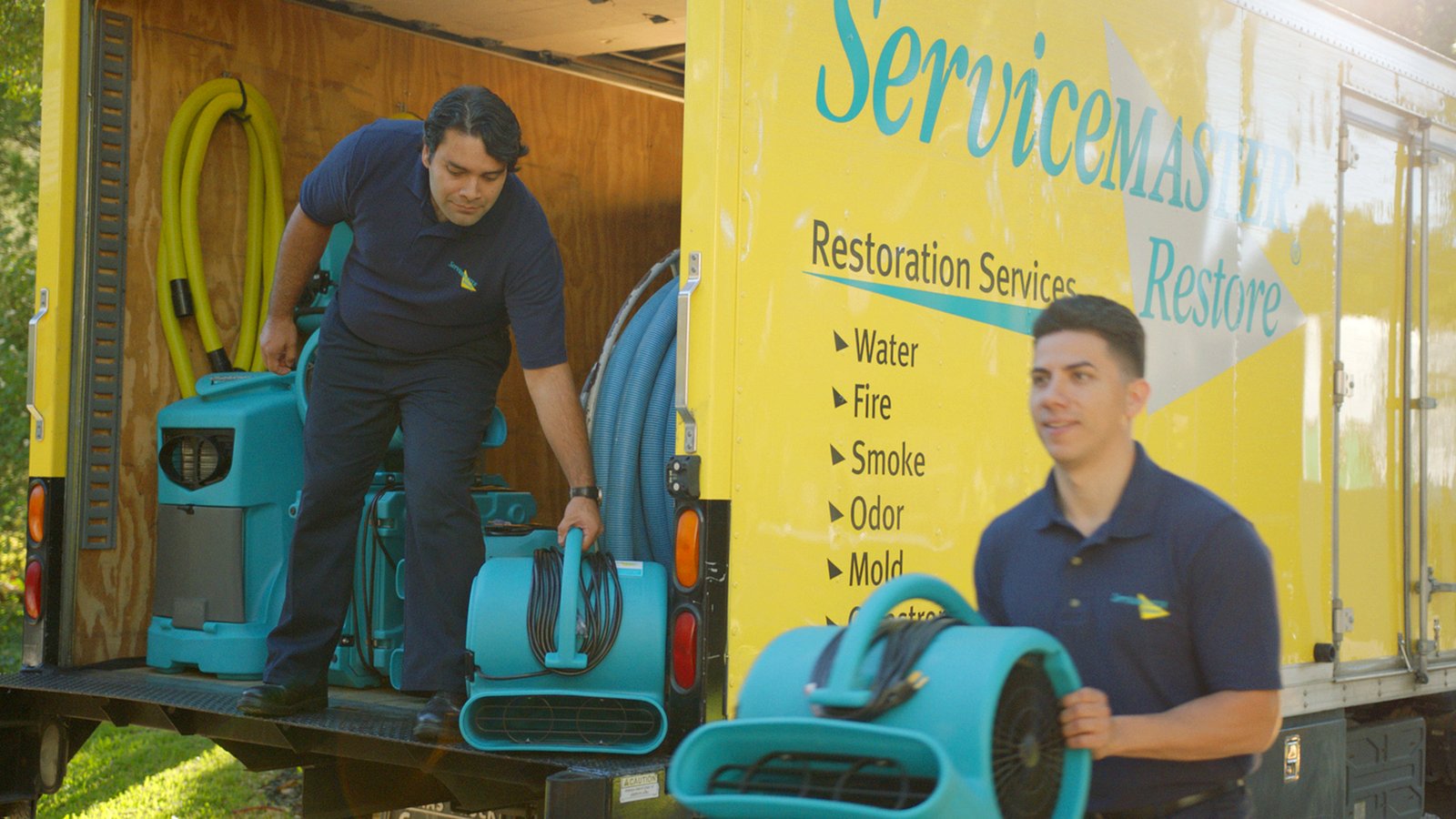
Even with insurance coverage, recovery from a fire can be overwhelming. Hiring certified Emergency fire damage restoration professionals ensures that your property is restored safely, efficiently, and in compliance with health and safety standards. Professionals handle every aspect of restoration — from structural repairs and smoke odor removal to dealing with secondary issues like basement flood cleanup. Using advanced equipment and proven methods, companies like Ideal Response help restore your home or business to its original condition faster and more efficiently than DIY methods. Moreover, professional restorers work closely with insurance adjusters, providing documentation and reports that streamline the claims process. This coordination helps property owners receive fair settlements without unnecessary delays.How Can You Prepare for Future Fire Risks?
While insurance helps mitigate financial loss, prevention remains the best defense. Here are a few ways to prepare for future fire risks:- Install smoke detectors and test them monthly.
- Keep fire extinguishers in accessible locations.
- Schedule annual electrical inspections.
- Create a fire escape plan and practice it regularly.
- Store flammable materials safely.
- Ensure your insurance coverage is updated annually.