




















How Does Water Mitigation Protect Your Property from Damage?
Water damage can strike unexpectedly, leaving homeowners stressed and property at risk. Understanding the process of water mitigation is crucial for protecting your home or business. In this article, we explore how water mitigation works, why it’s essential, and how professional services, including biohazard cleanup, can safeguard your property. Ideal Response emphasizes practical steps and industry best practices to ensure your property stays safe and dry.
What Is Water Mitigation and Why Is It Important?
Water mitigation is the process of reducing or preventing water damage after flooding, leaks, or plumbing failures. It involves identifying the source of water, extracting excess moisture, and applying protective measures to prevent structural damage. Unlike general cleanup, water mitigation focuses on stopping further destruction, saving both time and money for property owners.
Without immediate mitigation, water can penetrate walls, floors, and ceilings, causing mold growth, structural weakening, and even electrical hazards. Ideal Response often stresses that early intervention is key. The faster water is removed, the lower the risk of long-term property damage.
How Does Water Mitigation Protect Your Home?
Water mitigation protects your property in several ways:
- Prevents Structural Damage
Water quickly soaks into wood, drywall, and insulation, causing warping, cracking, or collapse. Mitigation specialists use industrial-grade equipment to remove water and dry affected areas. By doing this, they stabilize structures and prevent permanent damage. - Stops Mold and Mildew Growth
Mold begins to grow within 24 to 48 hours after water exposure. Through proper drying techniques and moisture control, water mitigation prevents mold infestations. This is essential for maintaining a safe and healthy environment, as mold can trigger allergies and respiratory problems. - Protects Personal Belongings
Furniture, electronics, and important documents are often the first casualties of water damage. Professionals carefully extract water and implement protective measures to save valuable items. Early mitigation reduces the chance of irreparable loss. - Maintains Property Value
A property with water damage often loses value. Effective mitigation preserves structural integrity and keeps the property market-ready. Ideal Response highlights that homeowners who invest in mitigation not only protect their property but also enhance its long-term worth.
What Are the Steps Involved in Water Mitigation?
Water mitigation is a systematic process that ensures comprehensive protection. Typical steps include:
- Assessment and Inspection
Technicians inspect the property to determine the water source, affected areas, and the type of water—clean, gray, or black. This step is vital because the appropriate cleanup method depends on water contamination levels. - Water Extraction
High-powered pumps and vacuums remove standing water. Extraction is often prioritized over cleanup because the longer water remains, the greater the damage. - Drying and Dehumidification
Specialized equipment like air movers and dehumidifiers dry the property thoroughly. Professionals monitor moisture levels to prevent hidden dampness, which could lead to mold or structural compromise. - Cleaning and Sanitization
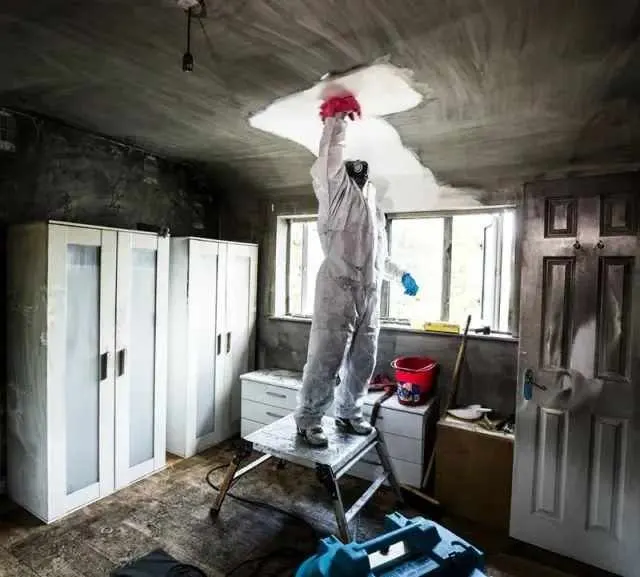
Affected areas are cleaned and disinfected, especially when contaminated water is involved. Here, biohazard cleanup may be necessary to address sewage or hazardous substances, ensuring that the property is safe for occupants. - Restoration and Repair
Finally, technicians repair damaged structures, replace materials if needed, and restore the property to pre-loss condition. Restoration can include drywall replacement, floor repair, and painting.
How Does Professional Water Mitigation Differ from DIY Cleanup?
Many homeowners attempt to clean up water damage themselves, but professional water mitigation provides advantages that DIY methods cannot match:
- Advanced Equipment: Professionals use industrial-grade extraction and drying equipment that significantly accelerates the process.
- Expertise: Trained technicians know how to identify hidden water pockets and prevent secondary damage.
- Health and Safety: Contaminated water can pose serious health risks. Professionals handle biohazard cleanup safely, reducing exposure to harmful bacteria and viruses.
- Insurance Compliance: Most insurance policies require professional documentation for claims. Water mitigation companies provide detailed reports and photos for successful claim processing.
Why Is Timely Water Mitigation Critical?
Time is of the essence when dealing with water damage. Every hour that water sits in a structure increases the likelihood of mold growth, wood deterioration, and structural weakening. Immediate mitigation:
- Reduces the cost of repairs
- Protects the health of occupants
- Preserves valuable property
- Prevents secondary damages like mold or corrosion
Ideal Response notes that waiting too long can turn minor water incidents into major disasters. Acting fast saves both money and stress.
How Does Biohazard Cleanup Integrate with Water Mitigation?
Sometimes water damage involves contaminated water sources, such as sewage backups or floodwaters carrying bacteria and viruses. In these cases, biohazard cleanup becomes an integral part of mitigation. This specialized service includes:
- Safe removal of contaminated water
- Disinfection of surfaces and materials
- Disposal of hazardous waste according to regulations
- Restoration of affected areas to safe conditions
By combining water mitigation with biohazard cleanup, professionals ensure both structural safety and hygiene. This dual approach protects both property and health, particularly in areas prone to flooding or plumbing failures.
What Are the Long-Term Benefits of Professional Water Mitigation?
Investing in professional water mitigation yields long-term benefits:
- Enhanced Property Durability: Proper mitigation strengthens structural integrity and prevents future water-related issues.
- Health Protection: Removing moisture and contaminants reduces the risk of mold, bacteria, and allergens.
- Insurance Advantage: Documented mitigation processes can simplify insurance claims and improve settlement amounts.
- Peace of Mind: Knowing your property is properly protected provides security and comfort for homeowners.
How Can Property Owners Prepare for Potential Water Damage?
While professional mitigation is essential after water damage occurs, property owners can take proactive steps:
- Regularly inspect plumbing and drainage systems
- Install sump pumps and water alarms
- Seal basements and foundations to prevent leaks
- Maintain gutters and downspouts to manage rainfall
Preparation reduces the severity of damage and ensures quicker recovery when incidents occur.
Conclusion: Why Water Mitigation Is a Must for Property Protection
Water damage can strike anyone, but timely and professional water mitigation can make all the difference. By addressing water sources immediately, drying and restoring affected areas, and including biohazard cleanup when necessary, property owners safeguard both their investments and health. Ideal Response emphasizes that mitigation is not just a reactive measure—it’s a proactive strategy that protects your home, preserves value, and ensures long-term safety.
By understanding the importance of water mitigation and engaging certified professionals, property owners can face water emergencies with confidence. Don’t wait until water causes irreversible damage; act early and protect your property today.