



























The Complete Guide to Choosing the Right Teens License Course
Getting a driver’s license is a major milestone for teenagers. It represents freedom, independence, and responsibility. However, before teens can safely hit the road, proper training is essential. That’s where a well-structured Teens license course plays a crucial role. Combined with practical experience through a Behind the wheel license for teens, these programs ensure young drivers develop the skills and confidence needed for safe driving.
Why a Teens License Course Matters
A Teens license course is more than just a requirement—it’s the foundation of responsible driving. These courses are designed to teach traffic laws, road signs, and defensive driving techniques. Teens learn how to handle different driving situations, from busy city streets to quiet residential areas.
One of the biggest advantages of enrolling in a professional course is the structured learning environment. Instead of relying solely on family members for instruction, teens receive guidance from certified instructors who understand how to teach safe driving habits effectively. This reduces the risk of developing bad habits early on.
What to Expect in a Teens License Course
Most Teens license course programs include both classroom instruction and practical training. In the classroom portion, students learn about:
- Traffic rules and regulations
- Road signs and signals
- Safe driving practices
- The dangers of distracted and impaired driving
This theoretical knowledge is essential before moving on to the hands-on component. It prepares teens to understand not just how to drive, but why certain rules exist.
The Importance of Behind the Wheel Training
While classroom learning is important, nothing replaces real-world driving experience. A Behind the wheel license for teens program provides supervised driving sessions where teens can apply what they’ve learned.
During these sessions, teens practice:
- Steering and vehicle control
- Parking and reversing
- Lane changes and merging
- Navigating intersections and traffic
Professional instructors provide immediate feedback, helping teens correct mistakes and build confidence. This hands-on training is critical for developing muscle memory and quick decision-making skills.
Building Confidence and Responsibility
Driving can be intimidating for beginners. A combination of a Teens license course and Behind the wheel license for teens training helps reduce anxiety by gradually introducing teens to different driving scenarios.
Confidence comes from practice and knowledge. When teens understand the rules of the road and have experience applying them, they are less likely to panic in challenging situations. This leads to safer driving behavior and better decision-making.
Safety Benefits of Professional Training
Statistics consistently show that trained drivers are less likely to be involved in accidents. A structured Teens license course emphasizes defensive driving, which teaches teens to anticipate and avoid potential hazards.
The Behind the wheel license for teens component further reinforces safety by allowing teens to experience real traffic conditions under supervision. They learn how to react to unexpected situations, such as sudden stops, aggressive drivers, or poor weather conditions.
Choosing the Right Program
Not all driving courses are created equal. When selecting a Teens license course, it’s important to consider a few key factors:
- Certified instructors: Ensure the school employs qualified and experienced trainers.
- Comprehensive curriculum: Look for programs that cover both theory and practical training.
- Flexible scheduling: Teens often have busy school schedules, so flexibility is important.
- Positive reviews: Feedback from other students can provide valuable insights.
A good Behind the wheel license for teens program should offer sufficient driving hours and personalized instruction to address each student’s needs.
Parental Involvement
Parents play a vital role in reinforcing what teens learn during their Teens license course. Practicing outside of formal lessons helps teens gain additional experience and confidence.
Encouraging safe driving habits at home—such as avoiding distractions, wearing seatbelts, and following speed limits—can make a significant difference. Parents should also model responsible driving behavior, as teens often learn by observation.
Preparing for the Driving Test
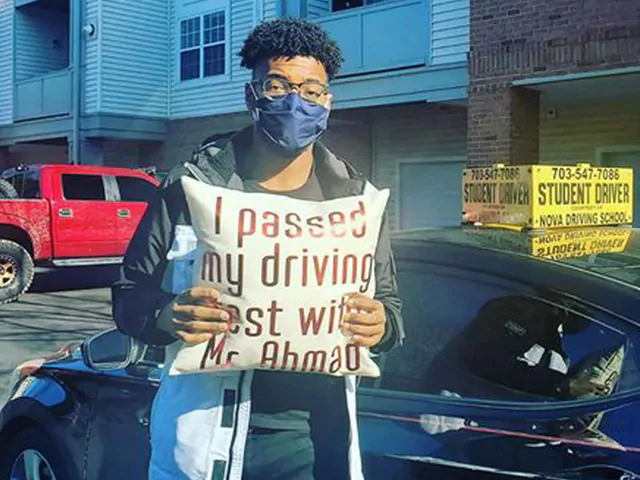
Both the Teens license course and Behind the wheel license for teens training are designed to prepare students for their driving test. By the time teens complete these programs, they should feel comfortable handling a variety of driving situations.
Practice tests, mock driving exams, and instructor feedback all contribute to better preparation. This increases the likelihood of passing the test on the first attempt.
Final Thoughts
A Teens license course combined with a Behind the wheel license for teens program is the best way to ensure young drivers are prepared for the road ahead. These programs not only teach essential driving skills but also instill a sense of responsibility and awareness.
Investing in proper driver education is an investment in safety. With the right training, teens can become confident, capable drivers who are ready to navigate the roads responsibly.