


























What Are the Benefits of Consulting Pain Treatment Experts?
Living with persistent pain can affect almost every part of your daily life. Whether you experience back pain, knee discomfort, neck stiffness, or joint inflammation, ongoing symptoms can make simple activities difficult. Many people rely on temporary solutions without understanding what causes their discomfort. However, professional medical guidance can help identify underlying conditions and support effective pain management.
Consulting Pain Treatment Experts allows patients to explore personalized treatment options, understand their symptoms, and improve their quality of life. These specialists use modern diagnostic methods and targeted therapies to address different types of pain.
At VIP Medical Group, experienced specialists provide individualized care for people experiencing chronic pain and vein-related conditions. Their approach focuses on understanding each patient's needs and recommending appropriate treatment options.
Why Should You Consult Pain Treatment Experts for Chronic Pain?
Chronic pain can interfere with work, sleep, exercise, and emotional well-being. When discomfort continues for several weeks or repeatedly returns, seeking professional medical advice becomes important.
Pain specialists evaluate symptoms, review medical history, and perform physical examinations to identify possible causes. They also consider how pain affects movement and everyday activities.
Rather than focusing only on temporary relief, specialists develop treatment strategies that address contributing factors. Their recommendations may include physical therapy, medication management, lifestyle adjustments, or minimally invasive procedures.
Early professional evaluation can also help patients avoid unnecessary delays in receiving appropriate care.
How Do Pain Treatment Experts Identify the Root Cause of Pain?
Understanding the source of discomfort plays an essential role in successful pain management. Different medical conditions can produce similar symptoms, which makes self-diagnosis unreliable.
Pain specialists use several approaches to investigate symptoms. They assess pain location, intensity, duration, movement limitations, and previous injuries.
When necessary, doctors may recommend diagnostic imaging, such as X-rays or MRI scans, to examine bones, joints, and surrounding tissues.
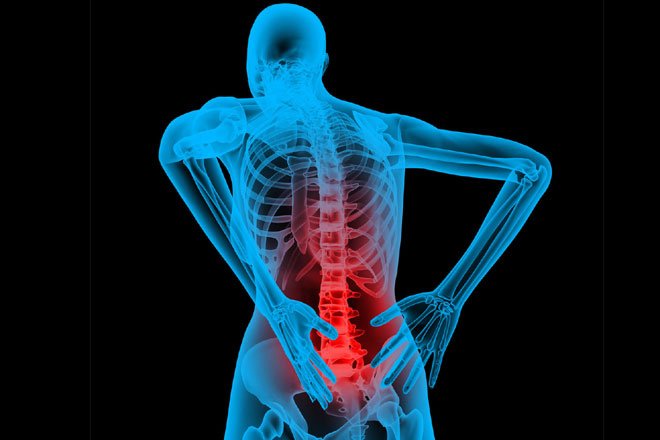
For example, persistent lower back pain may develop from muscle strain, arthritis, nerve compression, or spinal conditions. Identifying the underlying problem helps specialists choose suitable treatment methods.
A thorough diagnosis also reduces the likelihood of pursuing treatments that do not address the actual cause.
What Are the Benefits of Personalized Pain Management Plans?
Every patient experiences pain differently. Age, medical history, physical activity, underlying health conditions, and personal goals can influence treatment decisions.
Personalized pain management plans consider these individual factors rather than applying the same approach to everyone.
Specialists may combine different therapies to improve comfort and mobility. For example, a patient experiencing knee arthritis might benefit from physical therapy, activity modifications, and targeted injections when clinically appropriate.
Doctors also monitor treatment progress and adjust recommendations when symptoms change.
This individualized approach helps patients establish realistic recovery goals while addressing their specific health concerns.
Can Pain Specialists Help Patients Avoid Major Surgery?
Many people worry that persistent joint or spinal pain will eventually require surgery. However, several conditions respond to conservative care or minimally invasive treatments.
Pain specialists evaluate nonsurgical options before recommending more invasive approaches when appropriate.
Depending on the diagnosis, available procedures may include epidural steroid injections, nerve blocks, radiofrequency ablation, or other image-guided interventions.
These treatments target particular sources of discomfort and may help selected patients experience improved function.
Some minimally invasive procedures also involve shorter recovery periods than major surgery.
However, not every patient qualifies for these treatments, and certain conditions still require surgical evaluation. Specialists explain the potential benefits, limitations, and risks before recommending a procedure.
How Can Vein Treatment Experts Address Leg Pain and Discomfort?
Not every type of leg pain originates from muscles, joints, or nerves. Sometimes, circulation problems contribute to discomfort, swelling, heaviness, or aching sensations.
Vein Treatment Experts evaluate conditions affecting the veins, including varicose veins and chronic venous insufficiency.
When vein valves fail to function properly, blood may collect in the lower extremities. This problem can cause persistent swelling, skin changes, and discomfort, especially after prolonged standing.
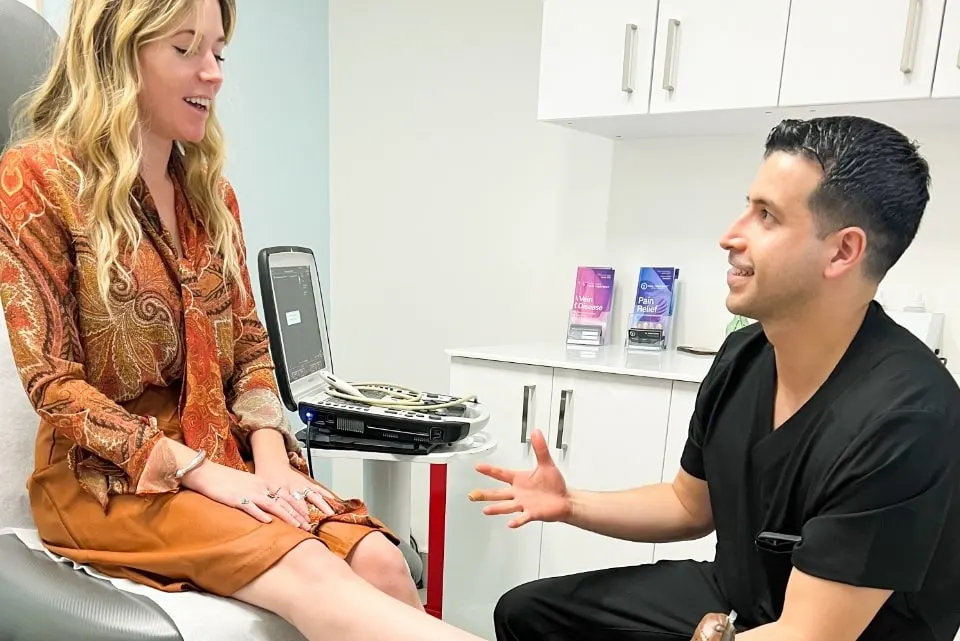
Vein specialists use clinical examinations and, when necessary, duplex ultrasound imaging to investigate circulation problems.
Depending on the diagnosis, doctors may recommend compression therapy, lifestyle changes, sclerotherapy, endovenous laser treatment, or radiofrequency ablation.
Addressing an underlying vein condition may help reduce related symptoms and support better leg health.
Why Is Early Consultation Important for Long-Term Pain Relief?
Ignoring recurring pain can make daily activities increasingly challenging. Some untreated conditions may gradually affect mobility, physical strength, or overall functioning.
Early consultation helps doctors recognize potential problems before they become more difficult to manage.
For example, someone experiencing repeated shoulder pain may unknowingly have tendon inflammation or another musculoskeletal condition. Timely evaluation can help identify the issue and guide appropriate treatment.
Professional guidance also helps patients avoid excessive reliance on over-the-counter medications, which may cause complications when used frequently or incorrectly.
Although early treatment cannot prevent every condition from progressing, it can support better symptom management and informed healthcare decisions.
How Do Advanced Treatment Techniques Improve Patient Comfort?
Medical advancements have expanded the options available for managing persistent pain.
Modern pain clinics may use ultrasound guidance, fluoroscopy, and other imaging technologies to improve procedural precision.
Image-guided treatments allow specialists to direct certain injections toward specific anatomical structures. This approach can support accurate delivery while helping doctors navigate surrounding tissues.
Some procedures require only local anesthesia and allow patients to return home the same day.
However, recovery times vary depending on the intervention, medical condition, and individual response.
Advanced technology works best when doctors combine it with careful diagnosis, suitable patient selection, and ongoing medical supervision.
Can Professional Pain Management Improve Your Daily Activities?
Persistent discomfort often limits activities that people previously enjoyed. Walking, exercising, driving, sleeping, and completing household tasks may become physically demanding.
Pain specialists aim to improve more than pain scores. They also focus on restoring movement, supporting independence, and helping patients participate in meaningful activities.
A comprehensive treatment plan may include strengthening exercises, flexibility training, posture improvements, and gradual activity progression.
For someone experiencing chronic back pain, improved mobility could make sitting at work or performing daily responsibilities more manageable.
Treatment results vary, but consistent medical guidance can help patients establish healthier habits and work toward functional improvements.
What Should You Expect During Your First Pain Management Consultation?
Your first appointment usually begins with a detailed discussion about your symptoms and medical history.
The specialist may ask when your pain started, what makes it worse, which treatments you have already tried, and whether discomfort affects your sleep or movement.
A physical examination helps the doctor assess your condition. Additional diagnostic testing may be necessary.
After completing the evaluation, the specialist discusses possible causes and explains suitable treatment options.
Patients should feel comfortable asking about expected outcomes, potential side effects, recovery periods, and treatment costs.
Clear communication helps patients participate confidently in decisions about their healthcare.
Why Choose Experienced Specialists for Pain and Vein Treatment?
Choosing qualified medical professionals can make a meaningful difference in understanding and managing ongoing symptoms.
Experienced specialists combine clinical knowledge, diagnostic techniques, and individualized treatment planning to address complex conditions.
VIP Medical Group offers specialized pain management and vein care, including minimally invasive procedures for selected patients. Its services address conditions involving the back, neck, knees, shoulders, hips, joints, and veins.
Patients benefit from working with healthcare professionals who explain treatment choices, evaluate individual needs, and provide appropriate follow-up care.
When selecting a clinic, consider the physician's qualifications, available treatments, patient communication, and approach to personalized medical care.
How Can Consulting Pain Treatment Experts Support a Healthier Future?
Living with ongoing discomfort does not mean you must accept unnecessary limitations in your daily routine.
Consulting qualified specialists gives you an opportunity to understand your symptoms, explore evidence-based treatment options, and make informed decisions about your health.
Whether you need professional support for chronic back pain, joint discomfort, or circulation-related leg symptoms, seeking appropriate medical care can be an important first step.
Pain Treatment Experts and Vein Treatment Experts provide specialized evaluations that help patients understand their conditions and identify suitable care options. With timely diagnosis, personalized treatment, and consistent follow-up, patients can work toward improved comfort, better mobility, and a more active lifestyle.